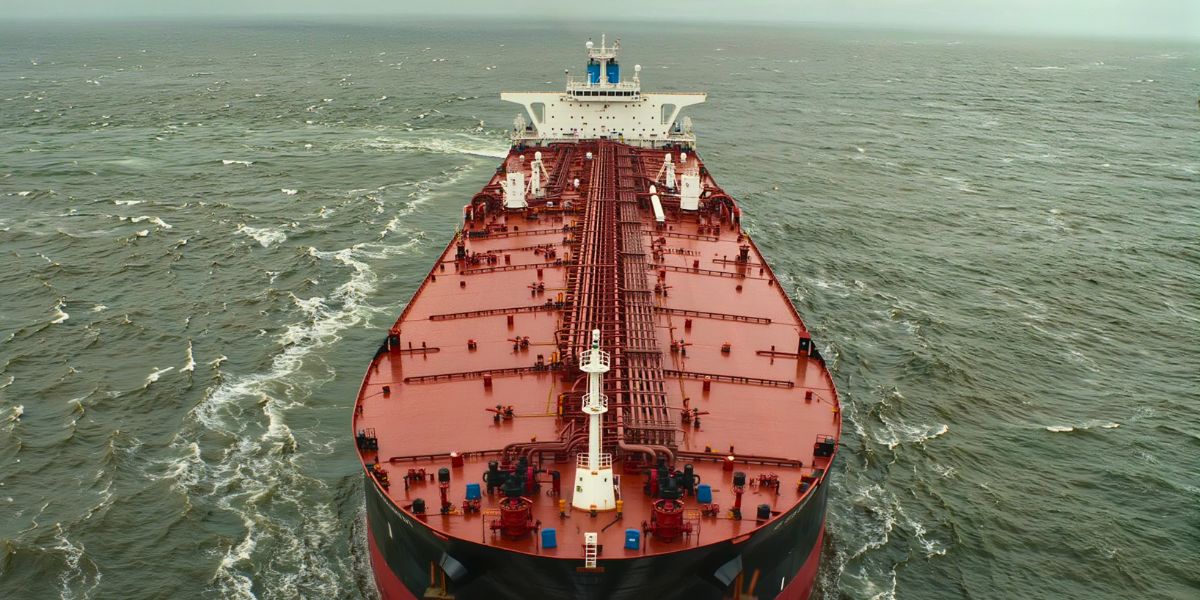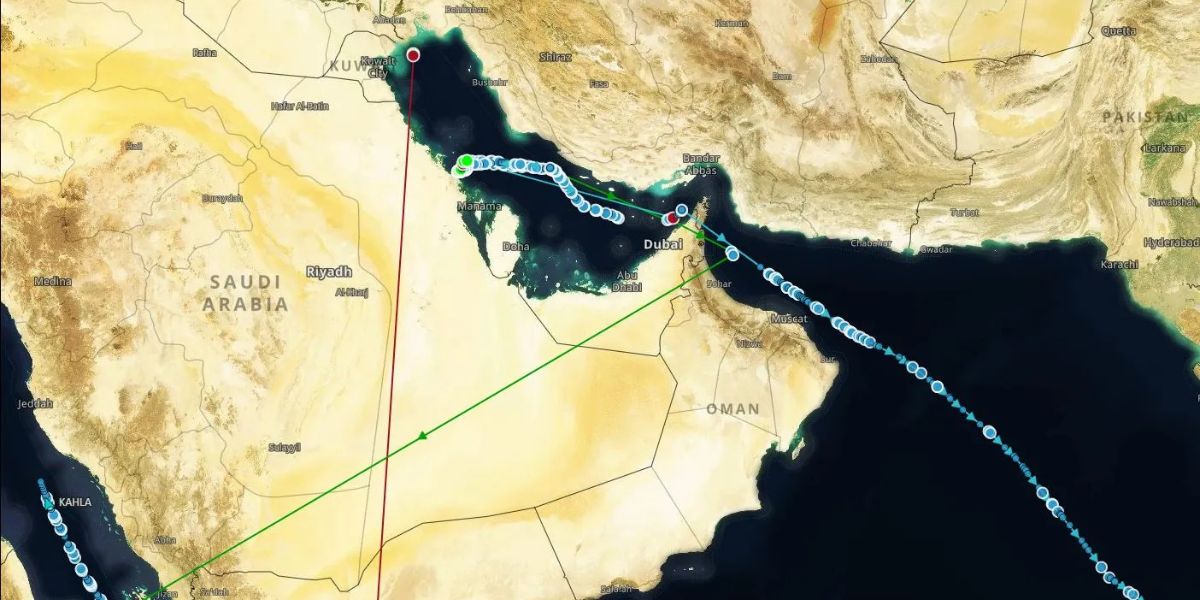
Oil dropped 14% on the US-Iran ceasefire and climbed back above $97 within hours. Here is the real recovery timeline for diesel, Jet A1, and LPG — and what fuel buyers should do now.
Author: americanholdingresources@gmail.com
-
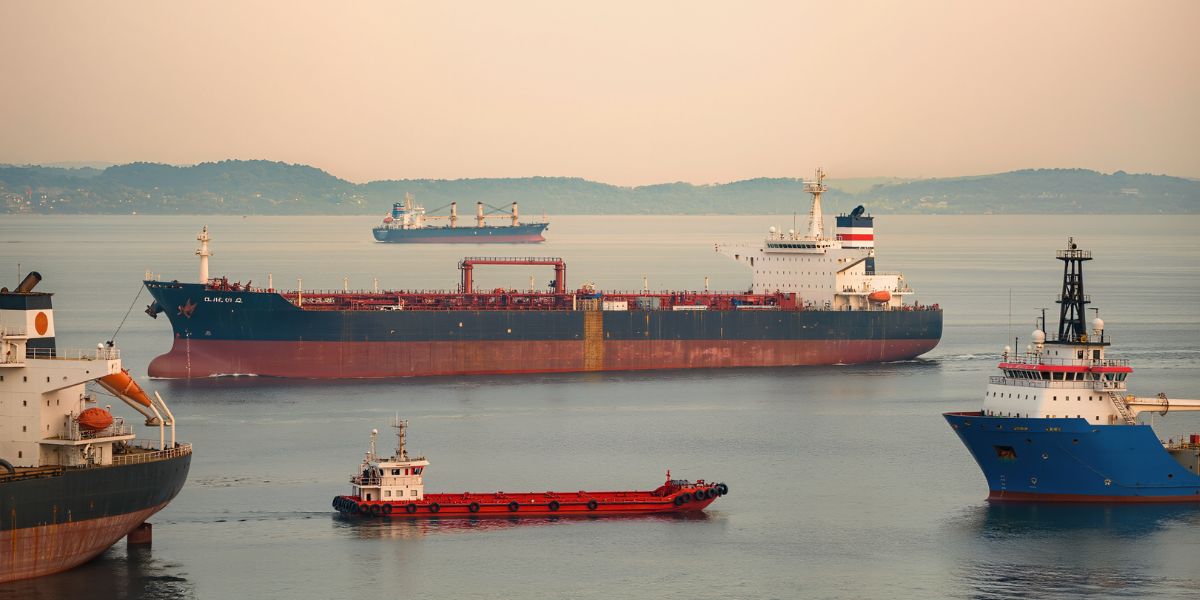
Brent vs. WTI: The Price Gap and What It Signals for International Fuel Traders
Why three different oil benchmarks are telling three different stories, and what it means for physical fuel procurement in 2026
-
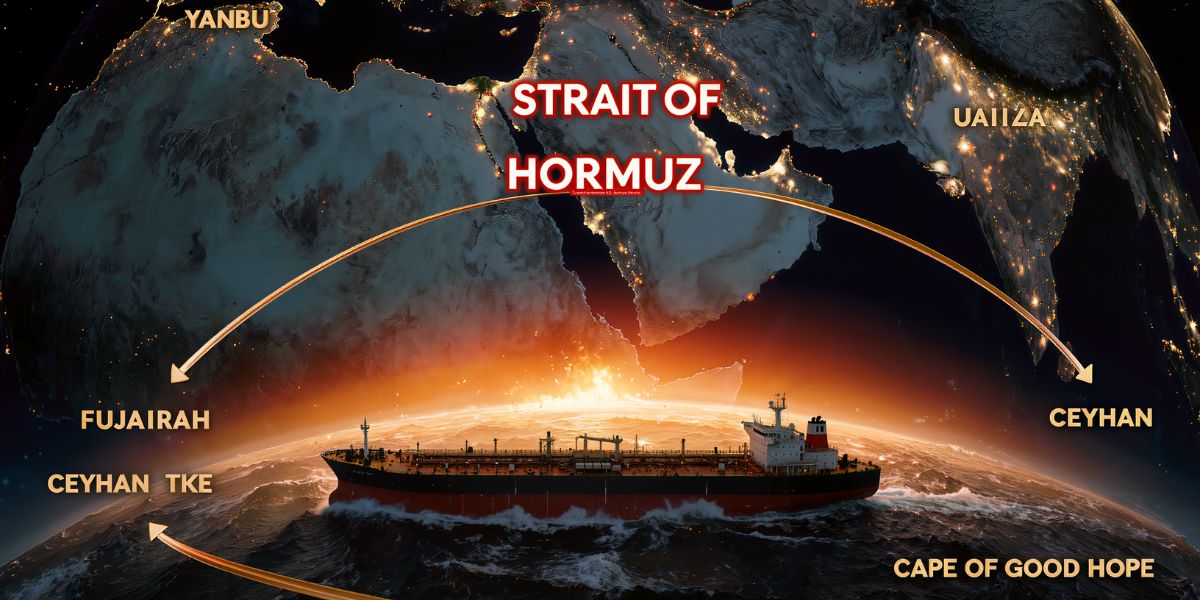
How the 2026 Energy Crisis Is Reshaping Global Fuel Trade Routes
Pass Fifty days in, and the global fuel market isn’t planning around a return to normal
-

Strait of Hormuz closure 2026: What It Means for Fuel Buyers and Sellers
The Strait of Hormuz is closed.
-

From Spreadsheets to Smart Platforms: How Fuel Traders Are Managing Compliance and Risk in 2026
Sanctions exposure, AML scrutiny, and stricter counterparty expectations are reshaping physical fuel trading.
-

2026 Oil & Gas Outlook: What the Diesel, Gasoline, and Jet Fuel Markets Are Actually Doing
Crude benchmarks look calm. Product markets do not feel calm.
-
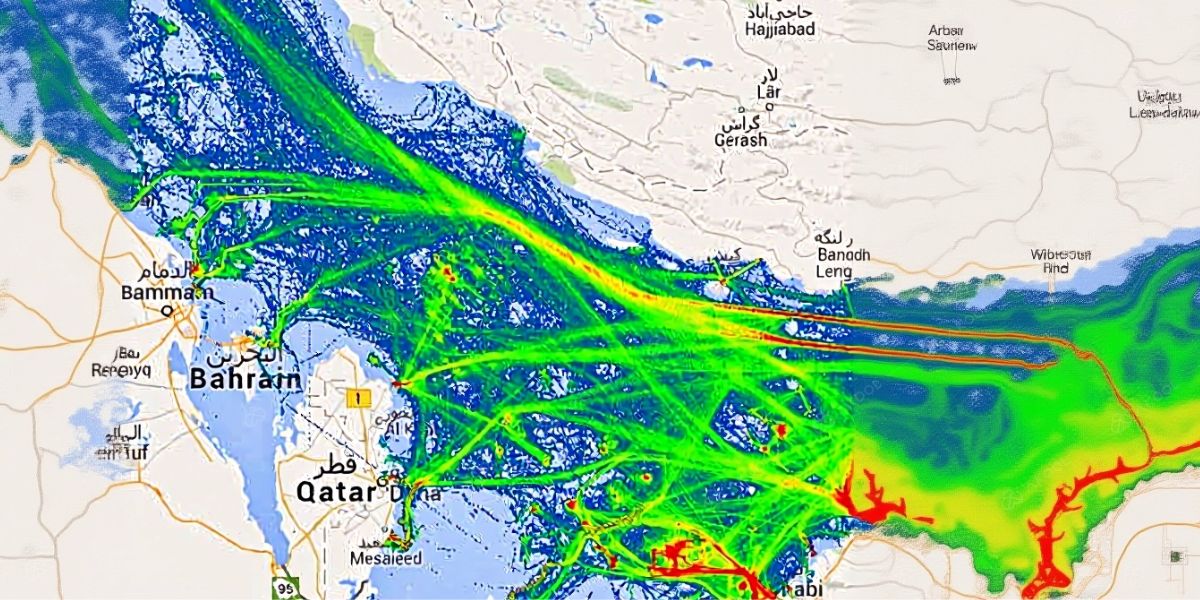
How the 2026 Middle East Conflict Is Driving Global Fuel Prices Higher
And What the Oil Industry Needs to Know
-
The Complete Fuel Procurement Guide 2026: Master Spot Markets & Long-Term Contracts to Cut Costs 15-30%
The Procurement Reality: Companies overpay $2.3M annually on average for fuel due to poor contract strategy. This comprehensive guide shows how to structure procurement for maximum savings.
-
2026 Global Fuel Market Outlook: Price Forecasts, Regional Demand Shifts & Strategic Insights for Petroleum Buyers and Suppliers
Executive Summary: The 2026 global fuel market faces a $12-per-barrel pricing correction, dramatic Asia-Pacific demand divergence, and the first-ever decline in European road fuel consumption. Here’s what $2.8 trillion in annual petroleum transactions will look like.